Skip to content
DeLong Plastic Surgery

Reconstructive surgery

Restoring form and function.

Dr. Michael DeLong is fellowship-trained in microsurgery and specializes in thoughtful, complex reconstruction for patients whose needs may follow cancer, radiation, trauma, or previous surgery.

Two sides of one expertise

Where science meets beauty.

Cosmetic and reconstructive surgery share the same foundation: anatomy, surgical judgment, technical precision, and respect for the individual. Reconstructive care seeks to restore both form and function while supporting each patient’s broader treatment journey.

Book a Consultation

In depth

What each procedure entails.

Breast Reconstruction

Rebuild breast form after mastectomy or lumpectomy through coordinated, individualized care.

Full procedure page

Breast reconstruction may use implants, a patient's own tissue, or a combination, and often unfolds across more than one stage. Timing may be immediate or delayed according to cancer care, health, and preference.

Dr. DeLong approaches reconstruction with a focus on restoring form and supporting function while coordinating with oncology teams and appropriate UCLA hospital facilities.

Who it may help

People considering or recovering from mastectomy, lumpectomy, radiation, or prior breast reconstruction may seek consultation. Cancer treatment, available tissue, health, and personal priorities shape candidacy.

What it entails

Reconstruction can range from implant-based procedures to complex autologous tissue transfer. It is performed with anesthesia in a hospital or accredited surgical setting; duration and length of stay vary substantially by approach.

Recovery

Recovery ranges from several weeks to longer for complex flap surgery, with staged refinements sometimes planned later. Cancer treatment and individual healing can change the timeline.
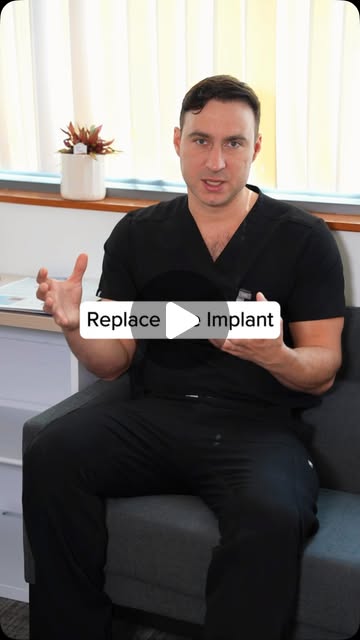
Breast-Implant Revision

Address implant concerns or update a prior augmentation or reconstruction plan.

Full procedure page

Revision surgery can exchange or remove implants and address concerns such as rupture, capsular contracture, rippling, malposition, asymmetry, or symmastia.

Existing incisions can often be reused, though additional work on the implant pocket, capsule, breast tissue, or skin may be needed. Timing is individualized; some concerns are observed until swelling settles, while rupture or significant asymmetry may warrant earlier evaluation.

Who it may help

Patients with discomfort, shape change, a known implant issue, dissatisfaction, or changing preferences may benefit from assessment. Imaging, implant history, tissue quality, and goals inform the plan.

What it entails

Revision is performed with anesthesia in an accredited setting. Complexity and duration vary widely depending on whether implants are exchanged or removed and whether capsule, pocket, tissue, or skin work is required.

Recovery

Recovery may resemble initial augmentation or be more involved. Swelling and soreness generally improve over weeks, while breast shape continues to settle over several months.

Fat-Transfer Breast Reconstruction

Use a patient's own fat to restore or refine breast volume, contour, and symmetry.

Full procedure page

Fat transfer harvests fat with liposuction, prepares it, and places small amounts into selected breast areas. It may serve as a reconstructive option or complement implants and flap reconstruction.

The technique can soften contour irregularities and improve selected asymmetries. Because only part of the transferred fat establishes a lasting blood supply, more than one session may be appropriate.

Who it may help

Candidates need suitable donor fat and realistic goals about achievable volume. Prior surgery, radiation, breast health, and reconstructive plans are reviewed closely.

What it entails

The procedure is performed with anesthesia in an accredited setting and includes both liposuction and careful fat placement. Duration depends on treatment area and volume.

Recovery

Bruising and swelling occur in the donor and breast areas. Many patients resume light routines within days to a week, while final contour and retained volume take months to assess.

Scar Revision

Help a scar blend more naturally with surrounding skin through surgical or nonsurgical care.

Full procedure page

Scar revision may improve a scar's width, texture, color, position, or contour after surgery, injury, burns, or acne.

Options range from topical and injectable care to laser treatment or surgical revision. A scar cannot be erased completely, and the most useful approach depends on its type and maturity.

Who it may help

Patients concerned by a raised, widened, depressed, tight, discolored, or poorly positioned scar may seek evaluation. Scar age, symptoms, skin type, and healing history guide options.

What it entails

Nonsurgical treatment may occur in the office, while surgical revision uses local anesthesia, sedation, or general anesthesia depending on size and location. Treatment may be staged.

Recovery

Recovery ranges from minimal downtime after selected office treatments to several weeks after surgery. The revised scar continues to mature for many months.

Head & Neck Reconstruction

Rebuild selected head and neck structures after cancer treatment, trauma, or complex tissue loss.

Full procedure page

Head and neck reconstruction can restore coverage, contour, and selected functions after tumor removal, radiation, injury, or prior surgery.

Plans may involve local tissue, regional flaps, or microsurgical transfer and are coordinated with the broader medical team. Availability and scope should be confirmed with the office before publication.

Who it may help

Patients anticipating or recovering from complex head or neck treatment may be referred for consultation. Diagnosis, tissue needs, prior radiation, health, and functional priorities shape options.

What it entails

These procedures are performed under anesthesia in a hospital setting and may require multidisciplinary planning. Complexity, duration, and hospital stay vary substantially.

Recovery

Healing is highly individualized and may involve inpatient care, wound monitoring, therapy, and staged refinements. Cancer treatment can influence timing and recovery.

Orthopedic / Extremity Reconstruction

Support wound coverage, limb function, and healing after trauma or orthopedic treatment.

Full procedure page

Extremity reconstruction addresses complex wounds and tissue loss involving the arms or legs, sometimes using local tissue or microsurgical tissue transfer.

Care is coordinated with orthopedic, trauma, vascular, or rehabilitation teams as appropriate. Availability and scope should be confirmed with the office before publication.

Who it may help

Patients with exposed bone or hardware, difficult wounds, trauma, infection-related tissue loss, or needs after orthopedic surgery may be referred for evaluation.

What it entails

Treatment generally occurs under anesthesia in a hospital setting. The plan and duration depend on the wound, circulation, tissue needs, and associated orthopedic care.

Recovery

Recovery varies widely and may include inpatient monitoring, wound care, restricted weight bearing, and rehabilitation over weeks to months.

Gender-Affirming Reconstruction

Individualized consultation centered on anatomy, health, priorities, and informed goals.

Full procedure page

Gender-affirming reconstruction encompasses procedures intended to align physical characteristics with a person's goals and identity.

Care should be respectful, individualized, and grounded in informed consent. Specific procedures and availability should be confirmed directly with the office before publication.

Who it may help

Adults seeking gender-affirming surgical consultation may be candidates depending on their goals, health, support, and the specific procedure being considered.

What it entails

The setting, anesthesia, duration, and stages vary by procedure. Consultation focuses on available options, anticipated scars, recovery, risks, and coordination of care.

Recovery

Recovery differs substantially by procedure and individual health. Dr. DeLong will discuss activity limits, follow-up, and the expected healing arc for the specific plan.

Individual results vary. All procedures carry risks, which Dr. DeLong will review during consultation. This content is educational and not medical advice.

From the practice

Follow Dr. DeLong

Content is for educational purposes. Individual results may vary.

A highly individualized plan

The appropriate approach depends on diagnosis, prior treatment, tissue quality, overall health, and personal priorities. Information here is educational and does not replace a medical consultation. Outcomes, risks, recovery, and candidacy vary.